Cedar Steel — Tr

Steel Cutting and Coping, Robotic Cut-to-Size

Robotic cutting, coping, drilling and marking from your DSTV and DXF files, run from our Bankstown workshop.

Overview

Most of the cost in a fabricated member hides before anything gets welded. A cope cut three millimetres out of square. A bolt hole five millimetres off centre. A beam ten millimetres long. Each one gets fixed on site with a grinder, a podger and a lot of swearing, and the program pays for every minute of it.

Precision isn't a nice-to-have on structural steel. It's the difference between a connection that pulls up square and one that has to be forced, then reamed, then shimmed.

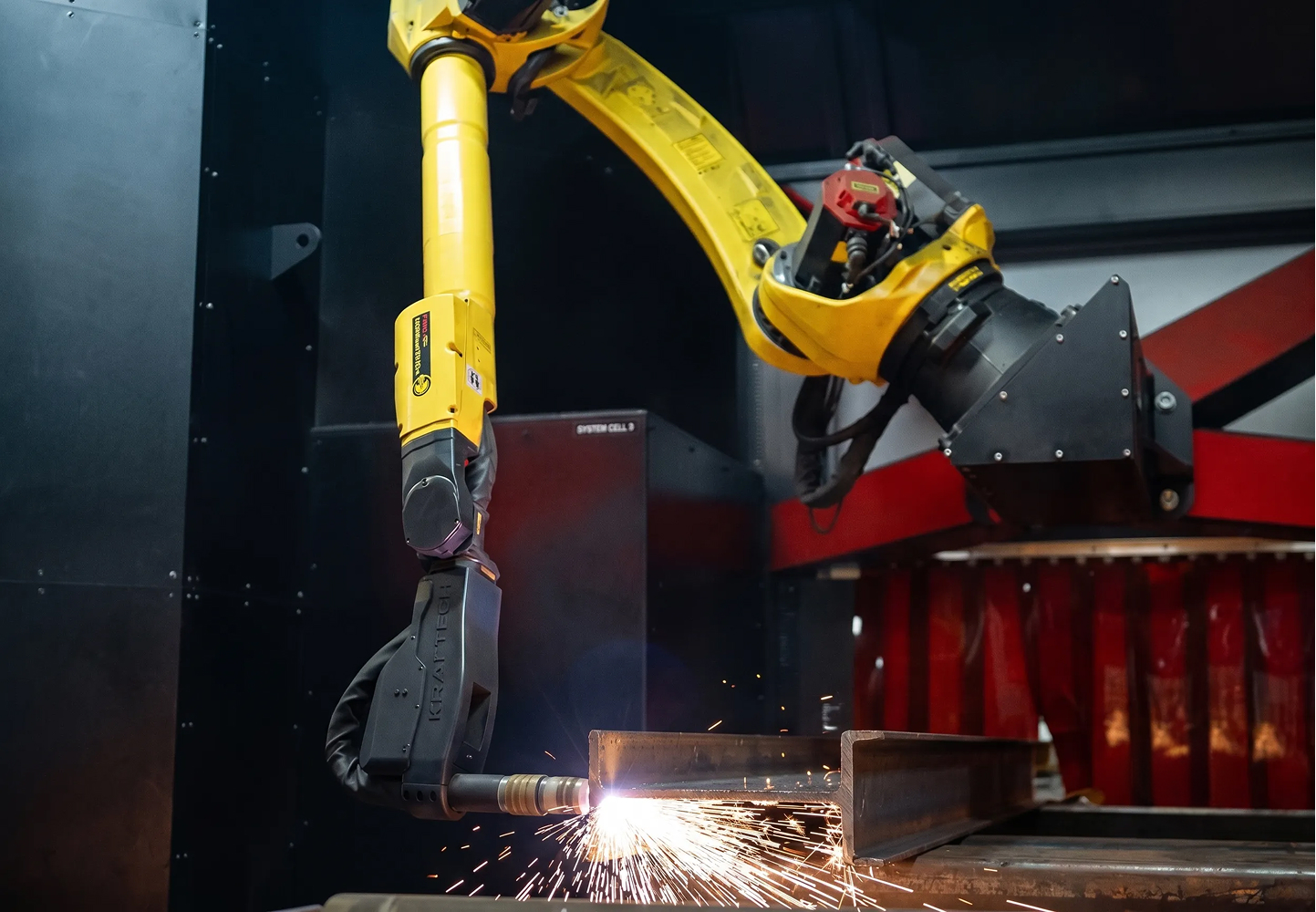
Cedar Steel runs a robotic coping line from our Bankstown workshop, cutting, coping, drilling and marking from DSTV and DXF files supplied by detailers, engineers and builders across Sydney and NSW.
What coping is, and why it earns its own line

Coping is cutting away part of a flange so one member can meet another properly: a beam into a column web, a purlin into a rafter, a rafter into a ridge. Cut it badly and the connection sits on the cope rather than on the faces meant to bear. Cut it accurately and the pieces pull up square, bolts go in by hand, and the erector isn’t fighting steel at height with an impact gun.

Hand coping is a skilled job and a slow one. It’s also inconsistent across a run, which is exactly where repeated connections cause trouble. The first beam fits. The eleventh doesn’t.

Robotic cutting, start to finish

Detailers send DSTV or DXF. Files go straight to the machine, so there’s no re-keying and no transcription of dimensions from a drawing into a control. The line cuts the profile, drills the holes and marks the piece in a single pass.

  • Copes, notches and bolt groups land exactly as detailed
  • Every piece in a run matches the one before it
  • Piece marks go onto the steel, not onto a sticker that falls off in the truck
  • Throughput is higher, so fabrication windows are shorter
  • Fewer surprises at install, which is where the real saving sits

Accuracy only matters if it repeats. On a warehouse with forty identical rafters, identical beats clever every time.

Cut to size and length

Saw cutting for square, straight lengths with a clean face. Profiled cutting for mitres, angled cuts and geometry a saw can’t produce. We cut universal beams and columns, PFC, SHS, RHS, CHS, angles and flat bar.

Send the section schedule and we’ll confirm capacity against your sizes before anything is committed to the machine. If a section or length sits outside what we run, better to know at quoting than at pick-up.

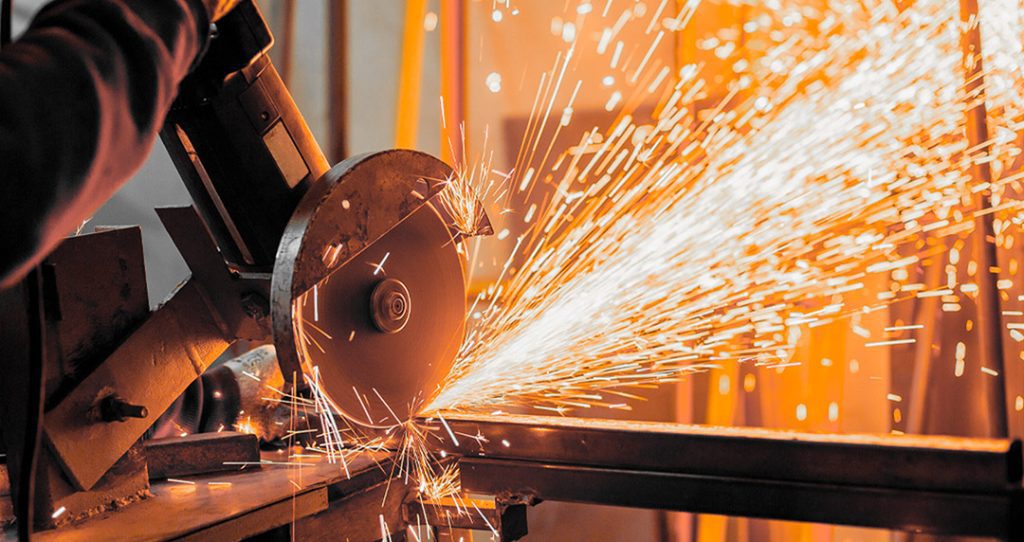
Saw cutting a steel section to length with sparks streaming from the blade

Drawing files, and what makes a cut list work

Best case is a DSTV file per piece with the correct section, length, holes and copes. Second best is a DXF plus a schedule. A dimensioned PDF becomes a manual programming job, which adds time and adds a person in the middle of your dimensions.

A spreadsheet cut list on its own will usually generate a query before the machine runs. That query is the process working, not the process failing. Catching a duplicated piece reference at programming costs nothing. Catching it after forty pieces are cut costs a week.

Who uses cut-to-size

Builders needing replacement members quickly after damage or a design change. Engineers after a section substitution. Other fabricators needing overflow capacity when their own line is full. Site crews who need one beam corrected without waiting for a full fabrication run. And detailers who want to see their drawings come back as steel that matches them.

We can cut only, or cut and complete the piece with end plates and cleats. Where a coped connection needs welding, that work is covered under structural steel welding Sydney.

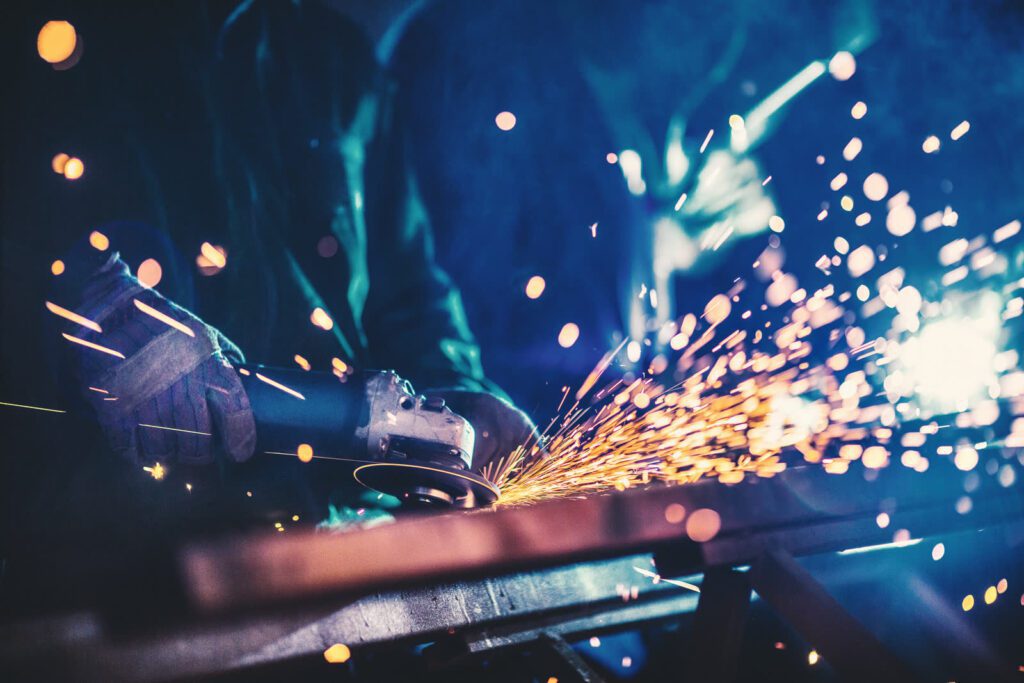
Steel being cut in the workshop with sparks streaming from the cut

Traceability and packing

Pieces are marked to the drawing, bundled in install sequence, and listed on a packing slip that matches the handle marks on the steel. Mill certificates are available on request.

When the truck arrives, the erector should be able to pick up a bundle and know exactly where each piece goes, in the order the frame goes up. That sounds small until you’ve watched a crew sort through an unmarked load in the rain.

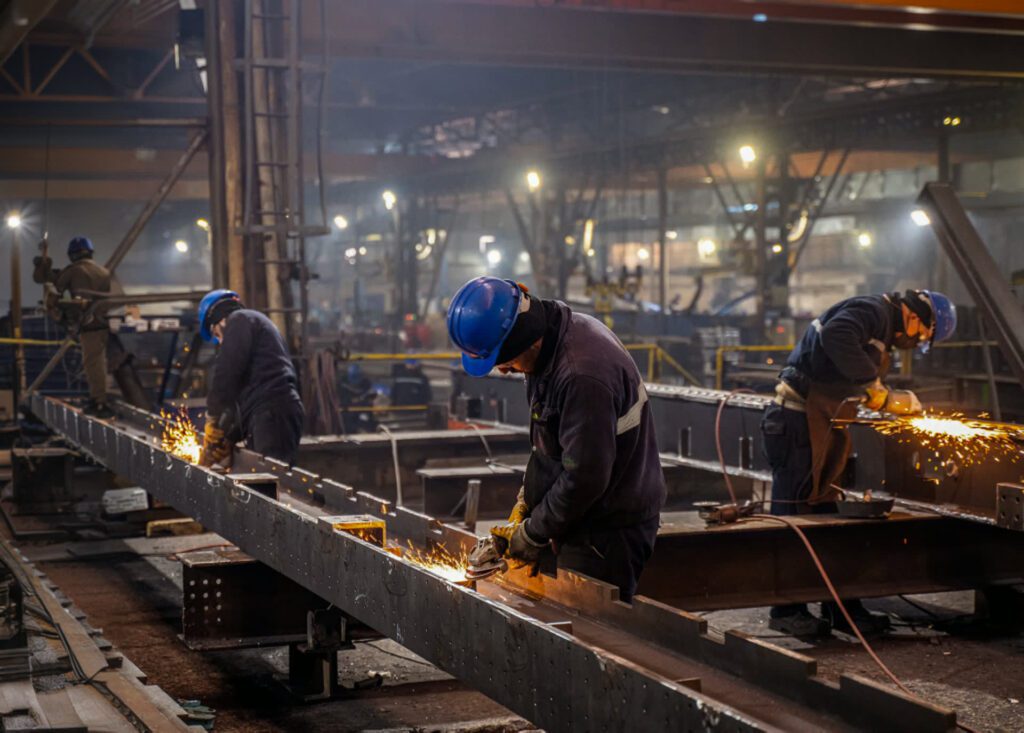
Fabricators in the workshop grinding and preparing steel beams

Turnaround

One-off cuts are usually turned around quickly. Volume runs depend on quantity, section size and nesting. Common residential profiles have come through in as little as 48 hours, and quotes come back within one business day where files and scope are complete. Larger runs get a program with a delivery cadence rather than a single date.

Volume cut work for sheds, warehouse frames and commercial fit-outs sits alongside our commercial steel fabrication in Sydney work, which is where most repeat cutting demand comes from.

Questions we get asked

DSTV per piece is ideal. DXF plus a schedule works. A PDF plus a spreadsheet will get there, but expect queries and a little more lead time.

Ask before sending. We'll confirm whether the section and grade suit our line rather than finding out mid-run.

Copes, holes and lengths come off the machine to the detail, not to a site measure. If your detail needs something unusual, flag it at quoting.

Yes. Overflow cutting is routine, and your drawing files stay confidential and are used only to cut your steel.

No. Coping runs off the robotic line in the workshop, which is the point: the accuracy comes from the machine, not the site.

Send the cut list

Send your DSTV or DXF files with the section schedule and we’ll come back with a quote and a cutting program. Call Cedar Steel on 1300 714 334, or see the full service range at steel fabricators and structural steel suppliers Sydney.